
Den Memo shares practical, down-to-earth guidance on practical home office organisation and small-space productivity for uk homes for readers across the UK.
- 0123456789
- Angle Bd Abdelmoumen & rue soumaya, Résidence
- [email protected]
Den Memo shares practical, down-to-earth guidance on practical home office organisation and small-space productivity for uk homes for readers across the UK.
 By Priya Nair
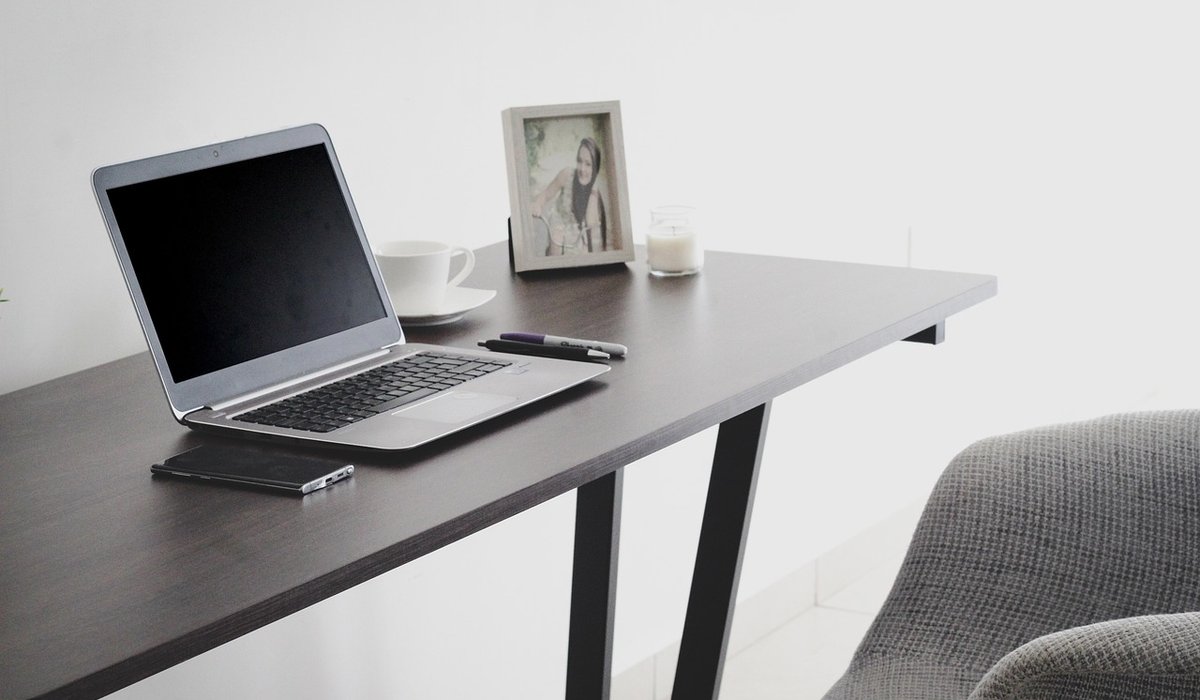
Paperwork builds up quietly. A couple of bank statements, a council tax bill, an NHS appointment letter, the warranty for the boiler, and suddenly the corner of your desk has disappeared under a small hill of A4.
Before you buy a single box file, clear the space you already have. Set aside an hour, put the kettle on, and gather every loose bit of paper in the room: the pile on the desk, the bag by the door, the drawer that sticks because it is so full. Pop on some music and work through it in one go. It is far easier to sort a single heap than to chip away at five half-sorted piles for a fortnight.
You will need a bin bag for recycling, a shredder or a shredding pile, and three containers — washing baskets or cardboard boxes will do. Everything you touch goes into one of the three.
This is the heart of the whole thing, and it works because it asks one simple question: what does this piece of paper need from me?
Anything that is none of the three — old takeaway menus, expired warranties, junk mail — goes straight into recycling or the shredder. Be ruthless. If you have not looked at it in a year and it has no legal or sentimental weight, it can go.
Vague labels are the reason filing systems collapse. A folder marked "Important" tells you nothing at nine in the evening when you need a document in a hurry. Name folders the way you would search for them.
Use A4 box files or lever arch files for the bulk, and a slim ring binder or a set of magazine files for the things you reach for weekly. If your home office is a corner of the kitchen table, a single under-desk box file with hanging folders can hold an entire household's paperwork. Label every folder on the spine or the top edge so you can read it while it sits in the box.
The reason paper piles up on the desk is usually that there is nowhere else for it to go. Fix that and the habit almost looks after itself.
Keep one single in-tray on the desk, no bigger than A4. That is the only place incoming paper is allowed to land. Once a day, empty it into the filing system. If that sounds too often, make it twice a week — but never let it overflow, because a full tray is just a pile with a lid on.
Everything else lives in the box file, the binder or the shredder. Set a small lidded bin beside the desk for confidential paper so shredding is not a separate chore you keep postponing.
Put a recurring reminder in your phone for the first weekend of each month. Ten minutes, that is all. Work through it like this:
Monthly is the sweet spot. Leave it quarterly and the pile has grown teeth; do it weekly and you will resent it.
In a flat or a box room, vertical space is your friend. Wall-mounted pocket files, a shallow shelf above the desk, or a slim filing box that slides under a bed all keep paper out of sight without eating floor space.
Where you are allowed to receive things digitally, do. Most councils, banks and utility providers will send bills by email, and a simple folder structure on your computer — named the same way as your paper files — takes minutes to set up. Scan the essential paper items you cannot replace, such as passports, certificates and insurance schedules, and store the copies somewhere secure.
Finally, be kind to yourself. Nobody's filing system survives a house move, a new baby or a busy December. The point of a simple method is that when it slips, you can put it right in one short session rather than a whole lost weekend. Three piles, clear labels, ten minutes a month — that is the whole trick, and it is genuinely enough.


We are not gonna make spamming
